



Representatives from the University of Seville visit Ouagadougou
This visit to Burkina Faso reinforces NEEMA’s commitment to food and nutrition resilience across the Sahel.
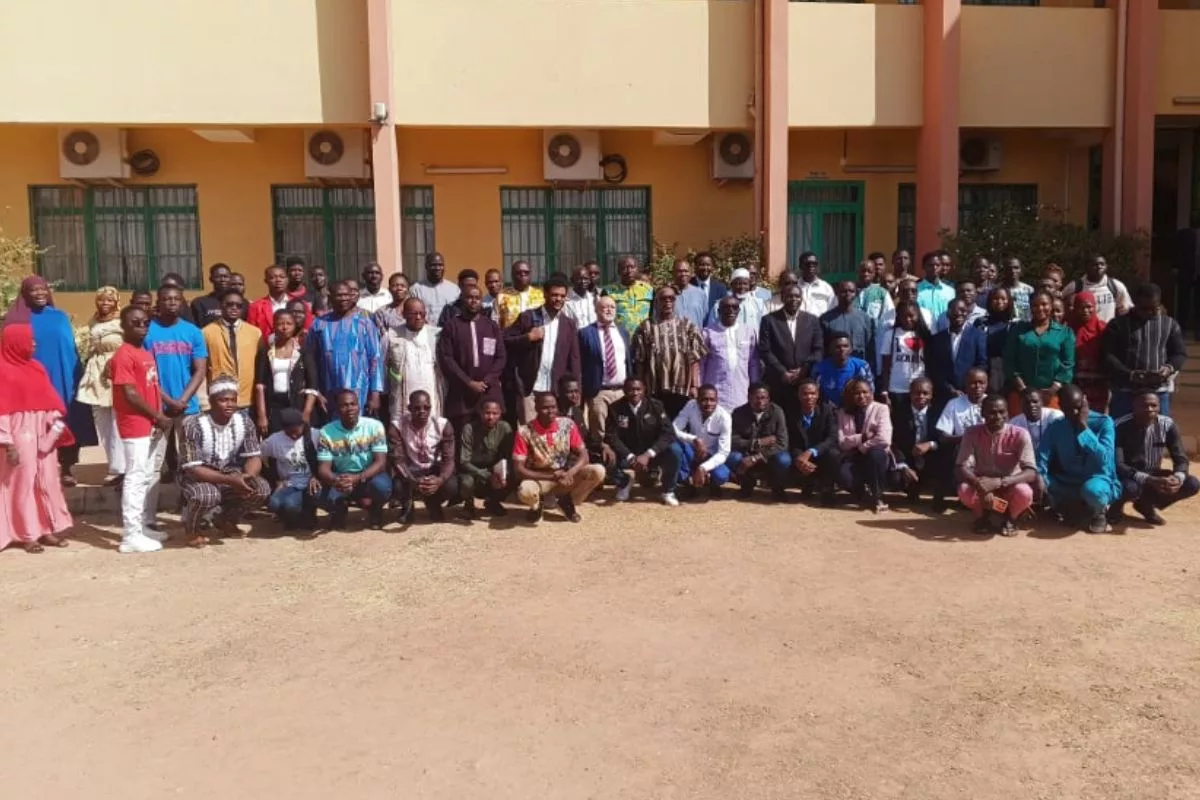
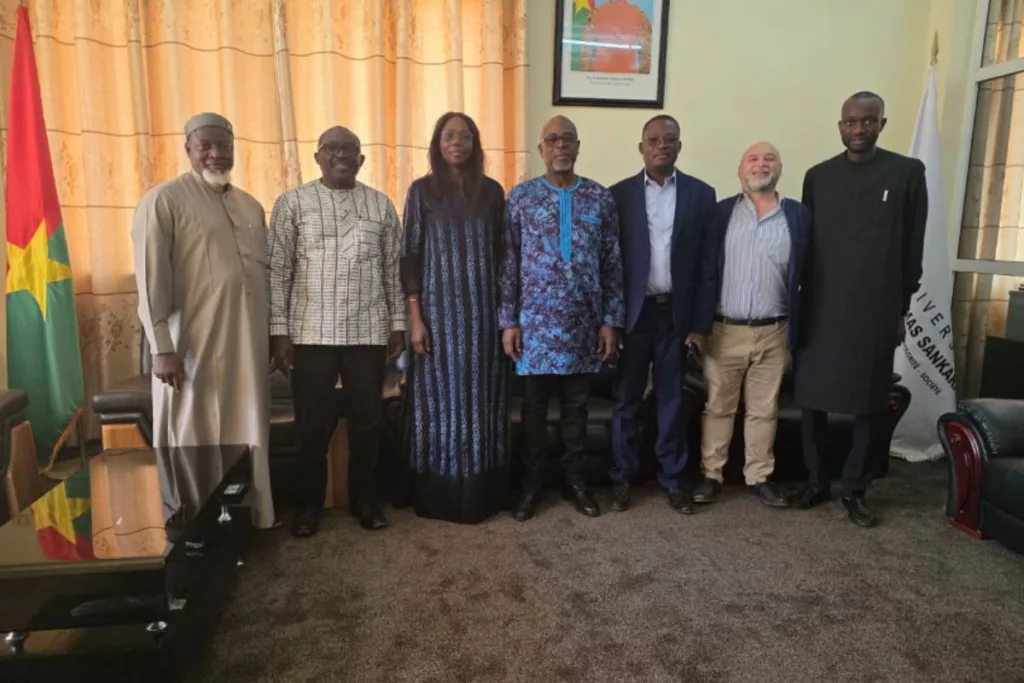
NEEMA continues to strengthen its collaborative and capacity-building initiatives in West Africa. This time, it was through a visit by a group from the University of Seville to the capital of Burkina Faso, one of the four Sahel countries involved in the project. A week in Ouagadougou at the end of January, filled with thematic activities and institutional visits, underscores the project’s commitment to improving food and nutritional resilience throughout the Sahel.
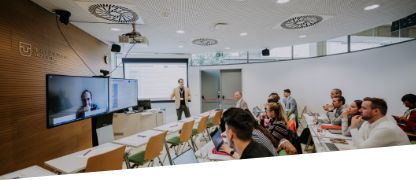
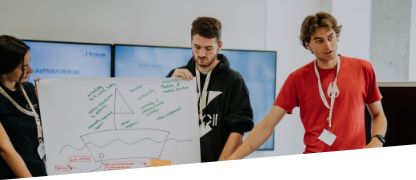
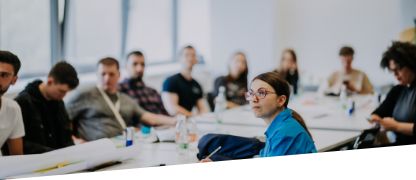
The mission began with the participation of professors Miguel Ángel Martín López (project coordinator) and Daniel Coq Huelva (US representative of WP3) in the face-to-face seminar on Food and Nutritional Resilience planned in Work Package 2 and held at Thomas Sankara University.
The following day, the fifth in-person NEEMA Steering Committee was held, attended by representatives from the various partner universities involved in the project. As on previous occasions, some institutions also participated online, facilitating a joint review of the project’s progress.
In addition to a thorough review of the status of each Work Package, the meeting addressed the following key strategic points:
- Final details before the launch of the online training on Food and Nutritional Resilience planned in Work Package 2, led by the USJPB (Mali) and developed collectively by all the consortium and pioneering in the region.
- Progress has been made in establishing the Observatory for the Right to Food and Nutrition in Africa, as outlined in Work Package 4 and led by UCAD (Senegal). This initiative, developed within the framework of NEEMA, operates in the areas of the right to food, nutrition, food sovereignty, food and nutritional security, scientific research and action research, adopting a multidisciplinary and multisectoral approach. The platform focuses on food sovereignty, food and nutritional security, scientific research, and action research, adopting a multidisciplinary and multisectoral approach. It is open to academics, civil society actors, farmers’ organizations, and parliamentarians.
- Debate for the development of NEEMA’s Strategy and Action Plan. The development of this strategic document is also foreseen in Work Package 4, and at this meeting the Consortium took the opportunity to exchange key ideas on each point.
In addition to operational monitoring, this meeting provided an opportunity to assess the quality of project implementation and measure the degree to which established objectives were met. Those responsible for the different work packages shared the challenges encountered, the best practices identified, and various recommendations aimed at optimizing the activities planned for the final phase of the project.
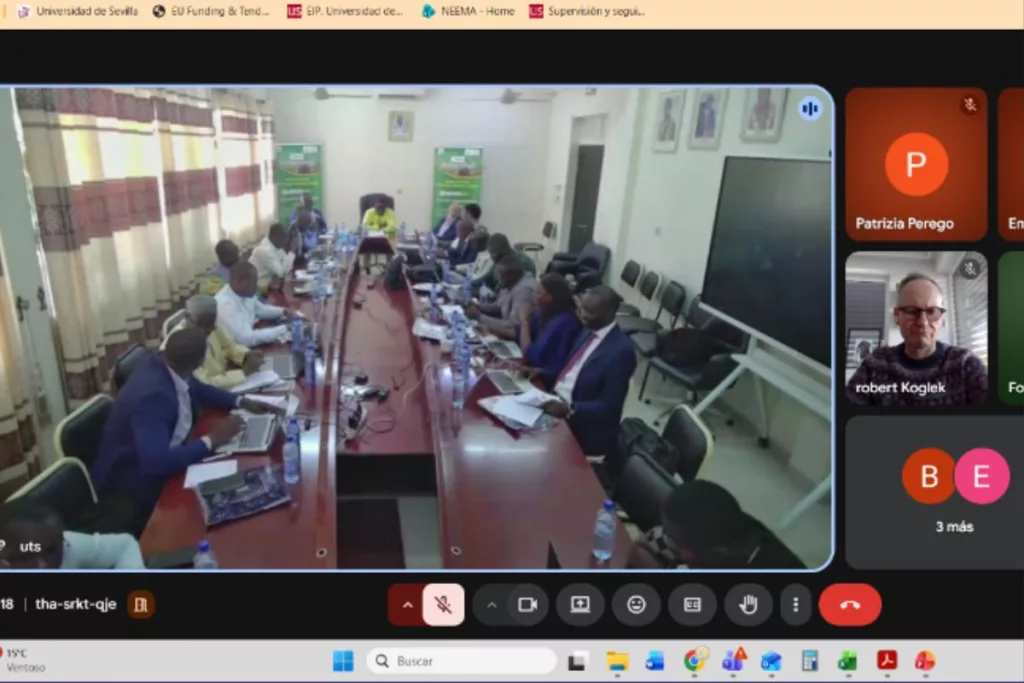
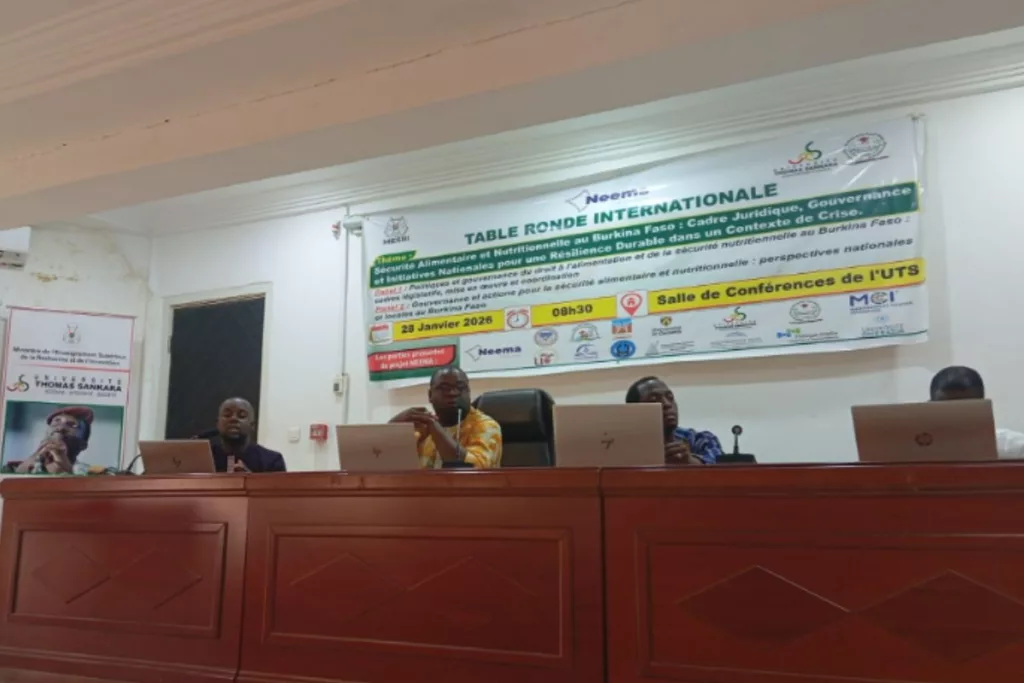
On January 28, the International Roundtable on Food and Nutritional Security was held in Burkina Faso. This activity, part of Work Package 2 of the project, focused on the legal framework, governance, and national initiatives for sustainable resilience in crisis contexts. In addition to representatives from the University of Seville and partner universities in Burkina Faso, Thomas Sankara and Nazi Boni, members of public institutions involved in Food and Nutritional Resilience, and students from the NEEMA course attended. The first panel analyzed policies and governance related to the right to food and nutritional security in Burkina Faso, while the second panel examined governance and actions related to food and nutritional security from local perspectives.
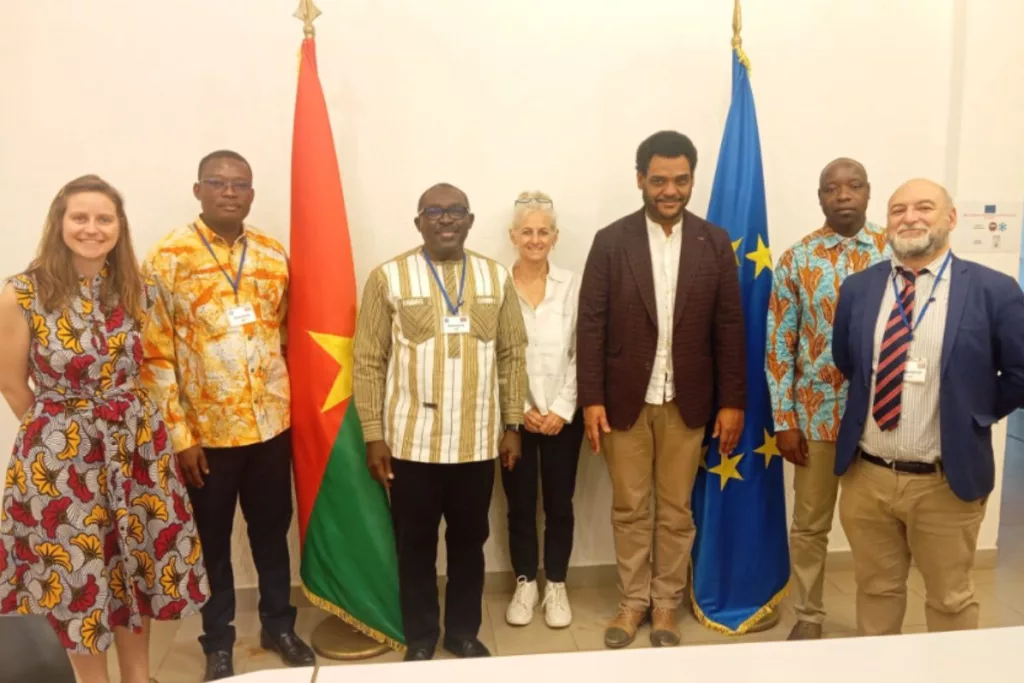
The visit to Ouagadougou by the delegation from the University of Seville concluded with a high-level meeting at the European Union Delegation in Burkina Faso, in which the NEEMA coordinator, Miguel Ángel Martín, Daniel Coq Huelva, responsible for Work Package 3, and representatives from Thomas Sankara University and Nazi Boni University reviewed the progress and addressed the operational challenges that arise in the implementation of the planned activities in the country.
About NEEMA
NEEMA is a 36-month training project of the European University Ulysseus, funded through the ERASMUS+ program. It aligns with the European Green Deal and the Farm to Fork Strategy, adapting these frameworks to the unique challenges of the Sahel and West Africa.
Led by the University of Seville, NEEMA aims to improve food and nutritional resilience, focusing on vulnerable populations. The project involves 14 universities in Africa and Europe, fostering collaboration, designing contextualized curricula, and launching pilot initiatives to strengthen local capacities in food security and sustainability.