



Food Regulations, Trade and Resilience: NEEMA Workshop at the Heart of Tomorrow’s Challenges
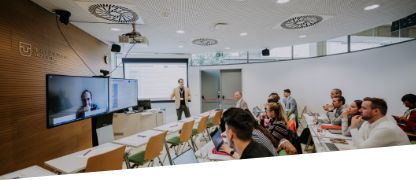
On Friday, 4 September 2026, Université Côte d’Azur hosted a workshop dedicated to one of the key challenges of the coming decades: the ability of our societies to ensure safe, healthy, accessible and sustainable food in a context of profound transformations in global food systems.
Organised as part of the Erasmus+ NEEMA project, the workshop was led by Professor Miguel-Angel MARTIN LOPEZ, NEEMA Project Coordinator and Professor of Law at the University of Seville, on the theme: “The Influence of Policies and Trade Agreements on the Implementation of the ‘Farm to Fork’ Principles: A Particular Focus on the Practices of the European Union and West Africa.”
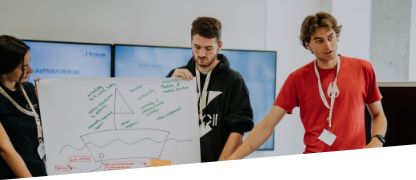
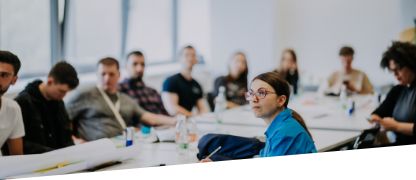
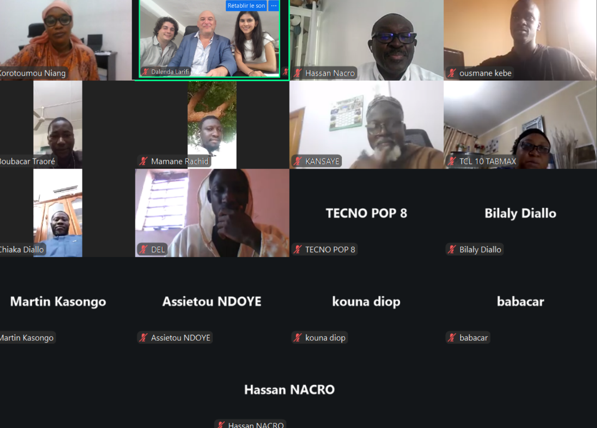
The event brought together a particularly diverse audience from West Africa, including researchers, academics, students, business leaders, and representatives of associations and NGOs.
From the Food Crisis to the Transformation of Food Systems
One of the main strengths of the workshop was that it placed food policies within a broader reflection on the systemic vulnerabilities of our production, processing, distribution and consumption models.
During the presentation and discussions, several issues were raised to illustrate the complexity arising from the multitude of factors contributing to contemporary food crises, including:
- Dependence on chemical fertilisers;
- Increasing pressure on water resources;
- Crises related to livestock farming;
- The impact of industrial agri-food practices on human health;
- The difficulties faced by certain regions in ensuring sufficient and regular food supplies for their populations.
These different challenges have one point in common: they demonstrate that food security cannot be considered solely from the perspective of agricultural production.
“Farm to Fork”: Thinking of Food as a System
Beyond being an agricultural or food strategy, the “Farm to Fork” approach calls for the different stages of the food chain to be considered as interconnected and interdependent.
It therefore raises a fundamental question: how can we build food systems capable of simultaneously meeting the requirements of public health, environmental protection, economic viability and food accessibility?
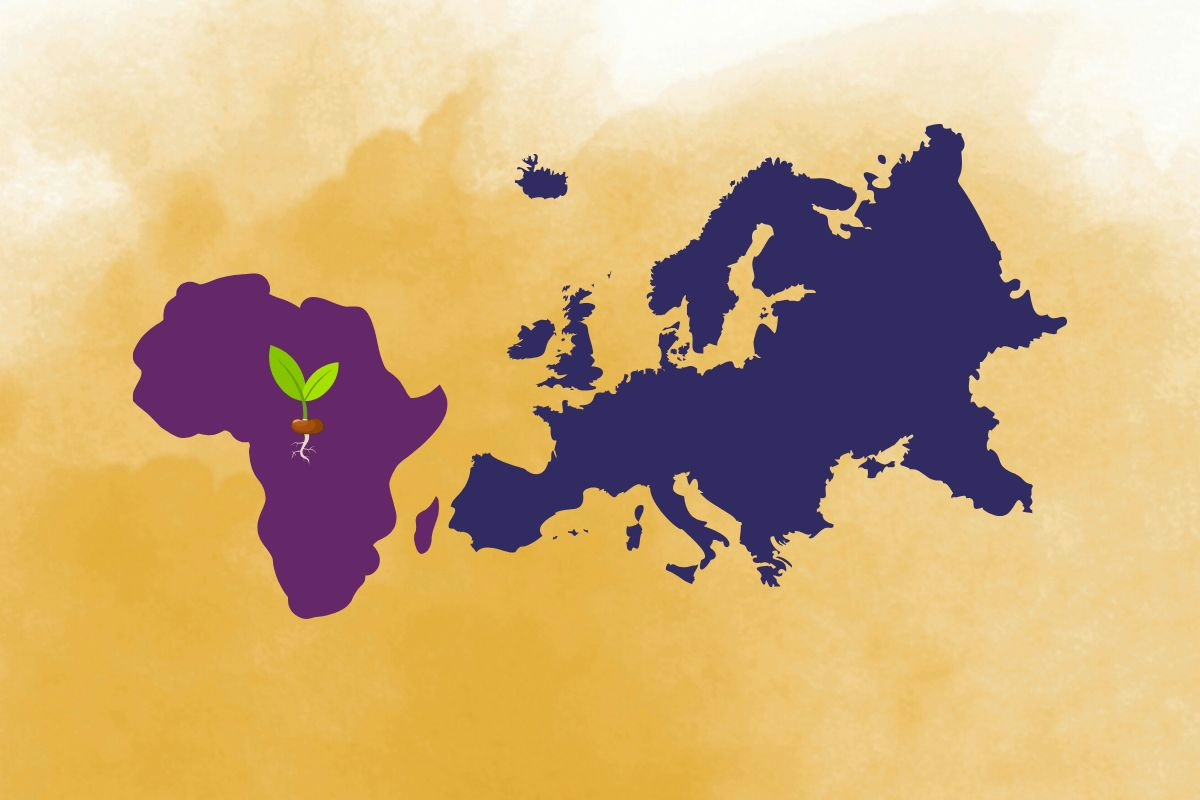
The workshop provided an opportunity to examine how European policies seek to address these challenges, as well as the conditions under which these approaches can be transferred, adapted or reshaped in West African contexts.
Such an approach is particularly relevant in a region where food security and nutrition are closely intertwined with economic development, environmental pressures, access to resources and the resilience of local food systems.
Anticipating Rather Than Suffering the Next Food Shock
The workshop took place on the same day as the publication of an article in a leading French newspaper addressing the risks of a food shock, giving the discussions a particularly strong contemporary resonance.
This news highlighted a reality that is increasingly difficult to ignore: global food systems are exposed to multiple, simultaneous and interconnected disruptions. The question is therefore no longer simply how to respond when a crisis occurs, but how to prepare the food systems of tomorrow and prevent crises from escalating into major food shocks.
The workshop consequently highlighted a fundamental challenge for the years ahead: the need to better connect real-world challenges and local experiences with the legal and political frameworks that regulate food systems.
By bringing together academic perspectives and practical experiences from Europe and West Africa, the workshop contributed to strengthening the understanding and analytical capacity of future actors in African and European food systems.
It also contributed to the broader debate on the food model that needs to be built for the coming decades, across continents.