





The European Student Assembly 2026 Brings Ulysseus Students’ Voices to the Heart of Europe
250 students from European University Alliances gathered in Strasbourg to debate key challenges shaping the future of Europe
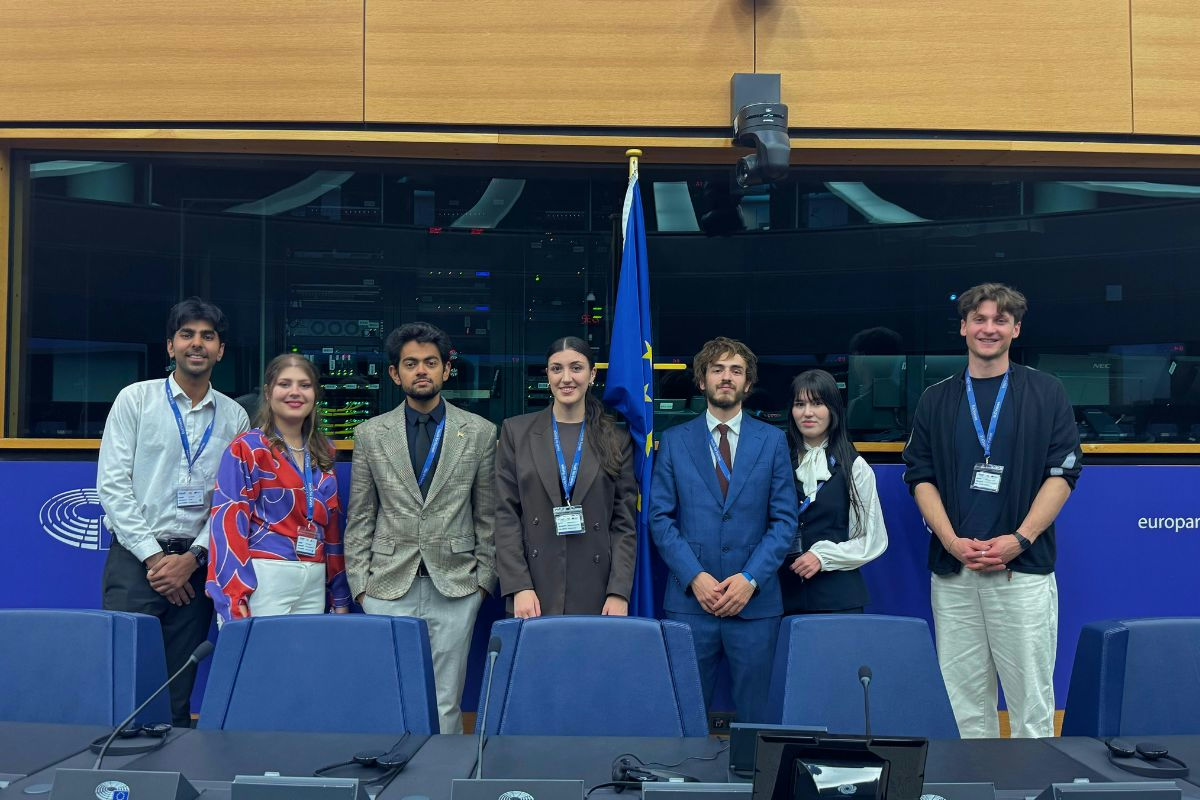
Strasbourg, a city symbolising European unity and democratic cooperation, hosted from 20 to 22 April 2026 the fifth edition of the European Student Assembly (ESA) at the European Parliament. Organised within the framework of EUC Voices, an Erasmus+ project coordinated by Université Grenoble Alpes, the European Student Assembly brought together 250 students from European Universities Alliances (EUAs) to debate topics at the core of Europe’s future and to draft policy recommendations for European decision-makers.
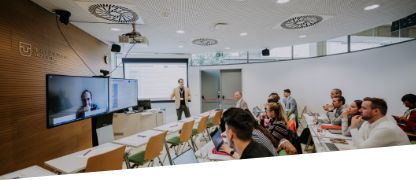
The European Student Assembly is the main annual initiative of EUC Voices and offers students a unique opportunity to engage directly in democratic deliberation at the European level. Through a combination of online collaboration and on-site debates, participants from diverse academic backgrounds and nationalities contributed their perspectives on major social, economic, and political challenges facing the European Union.
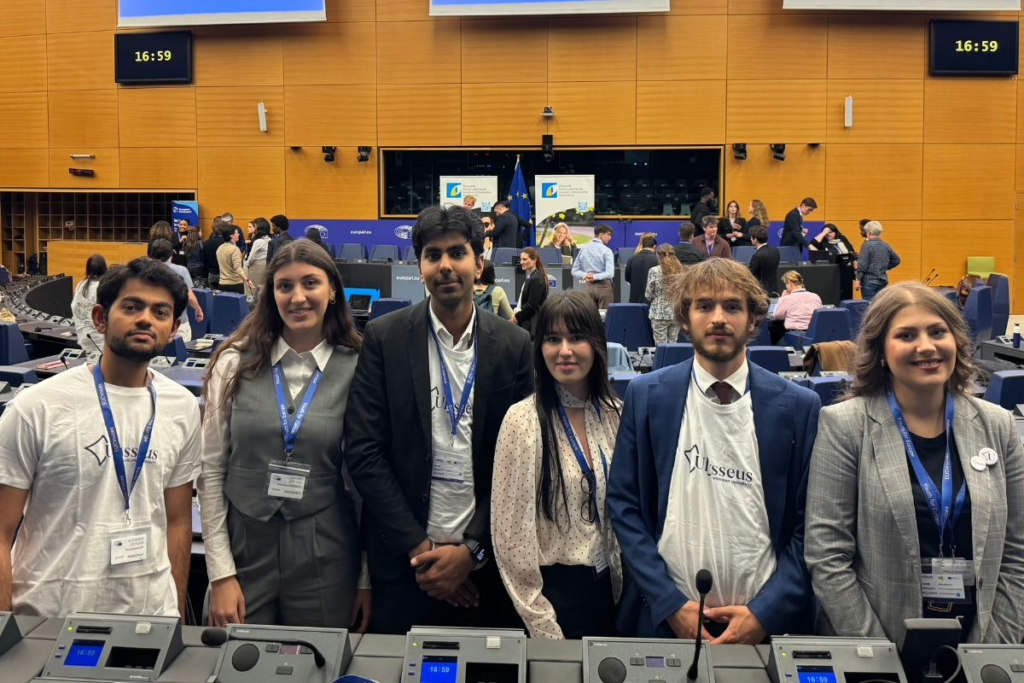
Out of 2,889 applications, 250 students from 34 countries were selected to participate in this year’s Assembly. This year, Ulysseus actively contributed with the participation of six students and one panel coordinator representing its partner universities. The participants were: Liia Motrechko (University of Seville, Spain); Rumman Khan (Universite Côte d’Azur, France); Umberto Maria Forno (University of Genoa, Italy); Mădălina Condrea and Mathis Sieglerschmidt (MCI | The Entrepreneurial School, Austria); Aayush Jain (Haaga-Helia University of Applied Sciences Finland) and Nađa Stojanović (University of Montenegro, Montenegro).
Throughout the Assembly, they had the opportunity to collaborate with peers from across Europe, tackling pressing issues through structured debates, panel discussions, and collective drafting sessions.
Eight panels addressing Europe’s future
The ESA 2026 participants worked on a collection of policy recommendations across eight key thematic panels, each addressing critical challenges faced by the European Union:
- Panel 1—Strengthening democracy, engaging citizens: How can the EU bridge the gap between its institutions and its citizens to build trust and foster civic participation?
- Panel 2—Scaling the circular economy: How can the EU overcome uneven progress and encourage change across sectors and societies?
- Panel 3—Aligning budget with impact: How can the Union’s funding rebalanceand adapt to the social changes?
- Panel 4—Europe moving together: How can the EU develop an inclusive public transport system?
- Panel 5—Unlocking digital potential: How can the EU empower inclusive digital literacy and cybersecurity and build resilience?
- Panel 6—Educating without borders: How can the EU support universities in fostering interdisciplinarity?
- Panel 7—Enabling generational solidarity: How can the EU address demographic change and promote meaningful participation for older generations in society?
- Panel 8—Europe’s strategic autonomy: How can the EU reconcile strategic autonomy with its core values in the field of trade agreements?
Each panel produced a set of concrete policy recommendations, designed to be actionable at local, national, and European levels. However, the efforts did not limit to the 3-day event. The ESA 2026 represents the culmination of a several-month preparation phase that began in January 2026. During this period, students worked remotely within their respective panels to analyse political and legal frameworks, identify key challenges, and establish priorities. They participated in expert meetings and online training sessions on policy drafting and moderation, ensuring informed and impactful contributions.
Collective Action Driving European Democracy
The European Student Assembly embodies a shared commitment by students, universities, and European institutions to strengthen democratic participation and reduce the gap between citizens and decision-makers. By placing students at the heart of policy discussions, ESA encourages active involvement in European public life and contributes to the renewal of European democracy.
As ESA 2026 concluded in Strasbourg, Ulysseus students stood among a new generation of engaged European citizens, demonstrating that students are not only shaping their academic futures, but also actively contributing to the future of Europe.
About Ulysseus
Ulysseus is one of the 73 European Universities alliances selected by the European Commission under its flagship initiative of the European strategy for universities. These alliances, co-funded by the European Commission, bring together almost 650 higher education institutions of all types from across Europe. Led by the University of Seville, the Ulysseus European University Alliance encompasses seven other partner universities: the Université Côte d’Azur (France), University of Genoa (Italy), the Technical University of Košice (Slovakia), MCI | The Entrepreneurial School® (Austria), Haaga-Helia University of Applied Sciences (Finland), the University of Münster (Germany), and the University of Montenegro (Montenegro).