
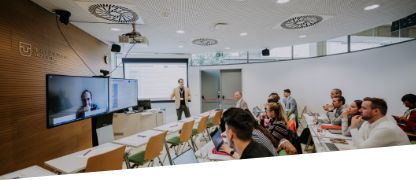


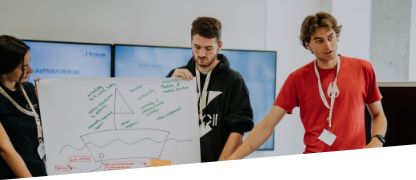


Innovation Hub on Ageing and Well-being strengthens its role as a WHO Collaborating Centre for public health
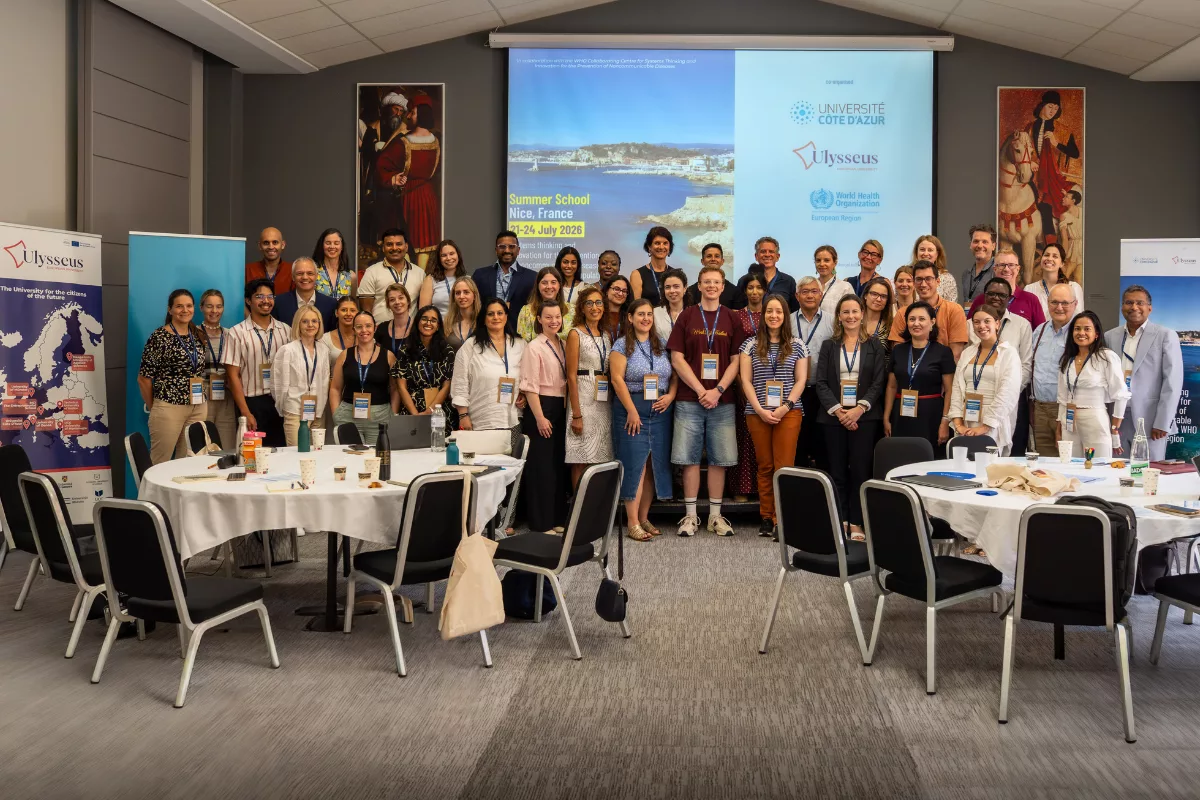
Following its official designation in 2025 as a World Health Organization (WHO) Collaborating Centre for systems thinking and innovation in the prevention of noncommunicable diseases, the Ulysseus Innovation Hub on Ageing and Well-being continues to promote more innovative and sustainable approaches to public health.
The Collaborating Centre supports WHO through three main missions: developing capacity in systems thinking, supporting research on innovation applied to noncommunicable disease prevention, and contributing to the creation of an innovation ecosystem for public health.
These missions were notably brought to life through two major events held in July 2026: a high-level technical workshop bringing together international experts and decision-makers, followed by the fourth edition of the WHO Summer School dedicated to strengthening skills in systems thinking and public health innovation.
A high-level workshop to shape tomorrow’s policies
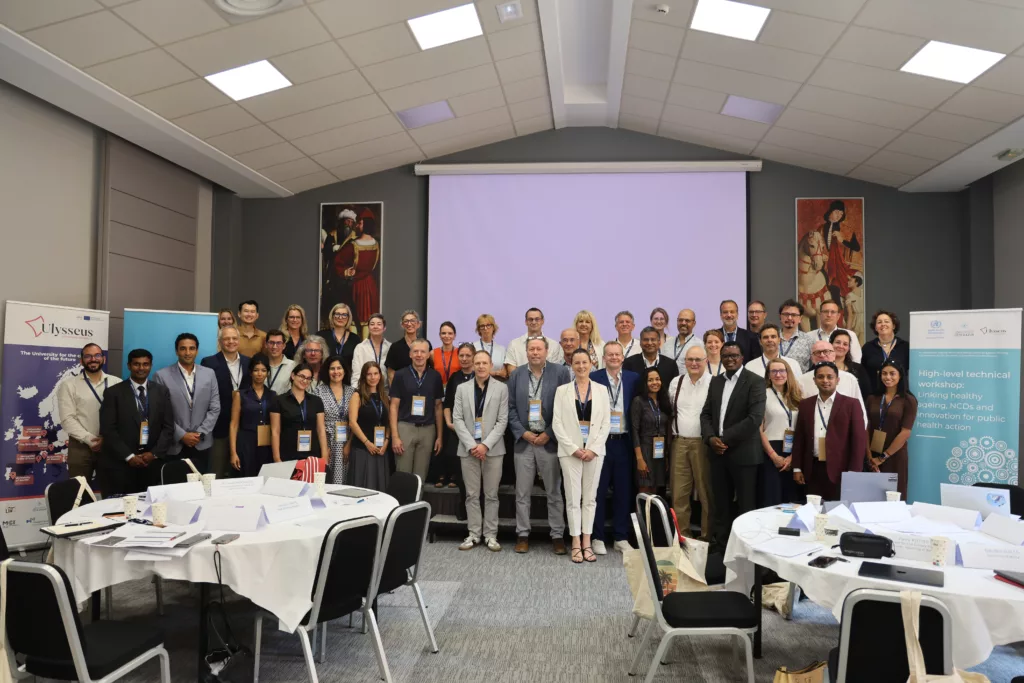
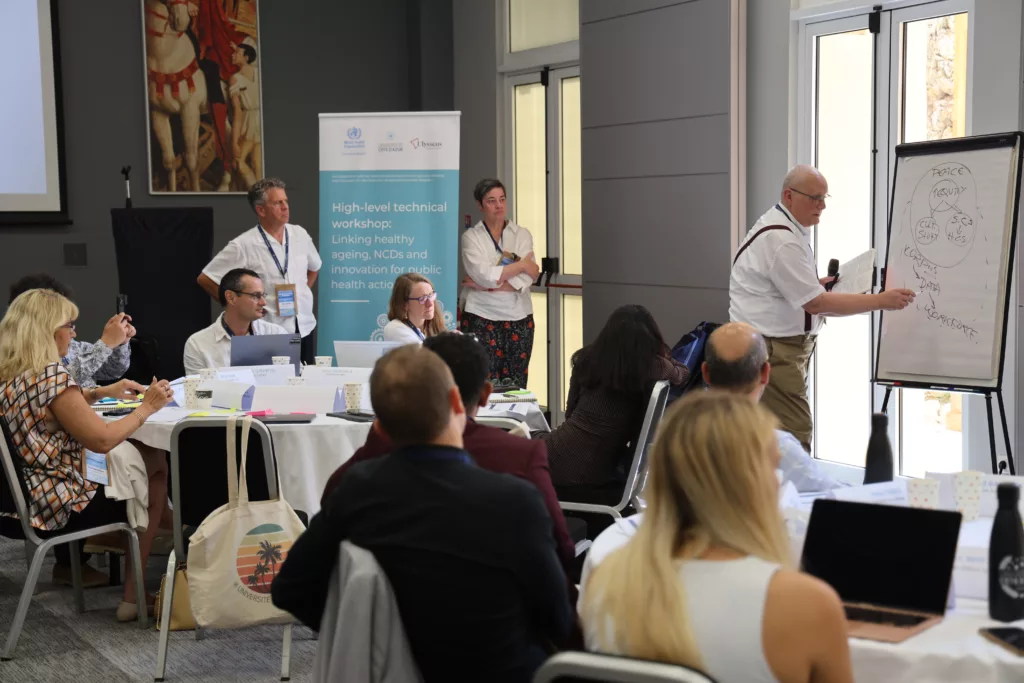
On 20 July 2026, the Collaborating Centre organised in Nice the High-level Technical Workshop on Linking Healthy Ageing, NCDs and Innovation for Public Health Action, bringing together representatives from Ministries of Health and Social Affairs, WHO/Europe teams, researchers, international experts, and innovation stakeholders.
The workshop opened a strategic dialogue on the links between healthy ageing, noncommunicable diseases, and innovation, drawing on systems thinking and horizon scanning approaches. Discussions helped identify key levers for developing more integrated, people-centred, and sustainable public policies. The outcomes of the workshop will contribute to a reflection paper to be presented and further developed during the WHO/Europe Innovation Summit scheduled for September 2026.
The fourth edition of the WHO Summer School
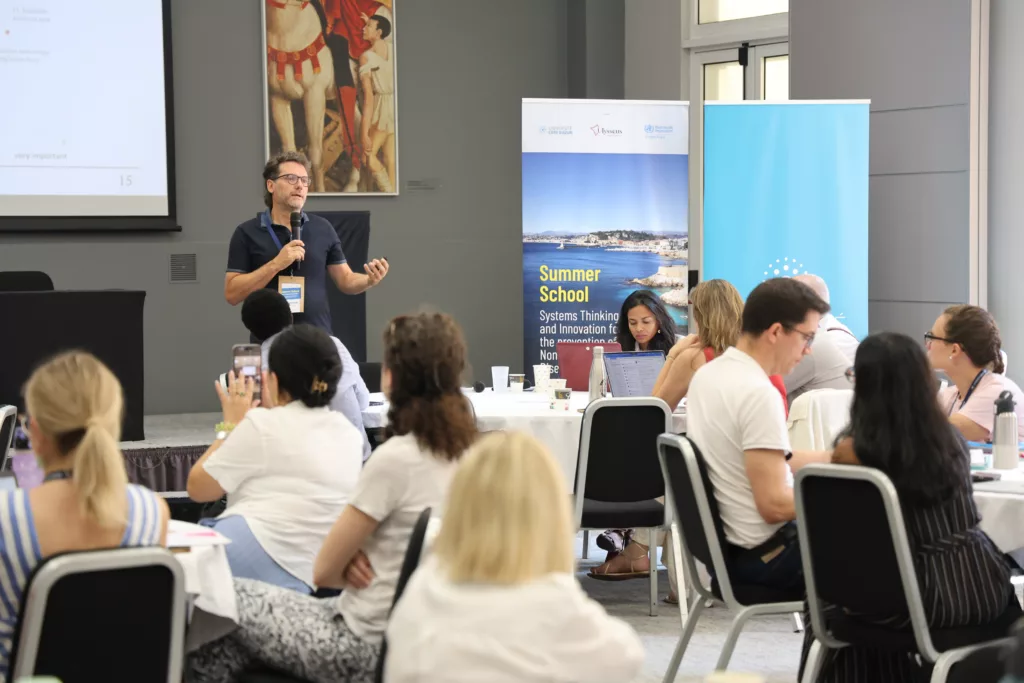
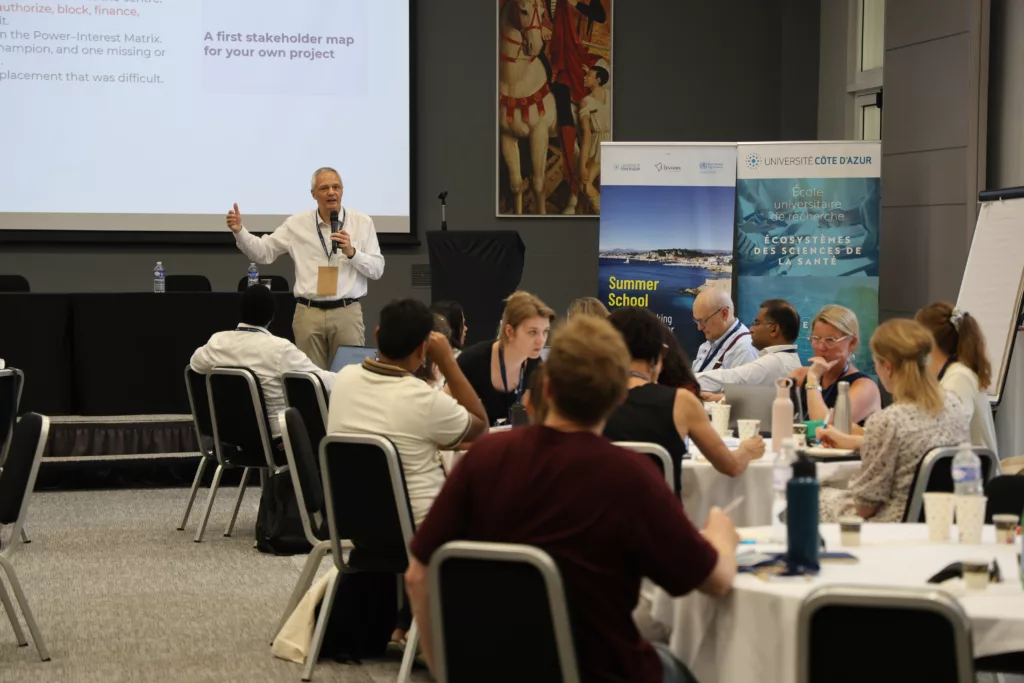
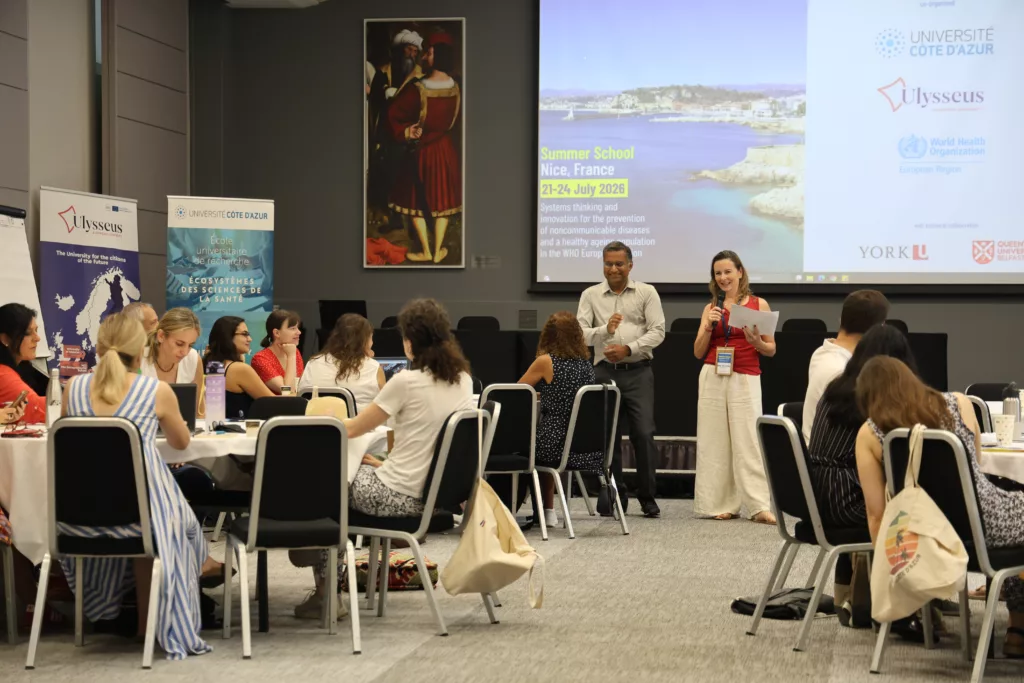
From 21 to 24 July 2026, the Collaborating Centre is also hosting the fourth edition of the WHO Summer School, dedicated to the theme: “Systems thinking and innovation for preventing noncommunicable diseases and promoting healthy ageing in the WHO European Region.”
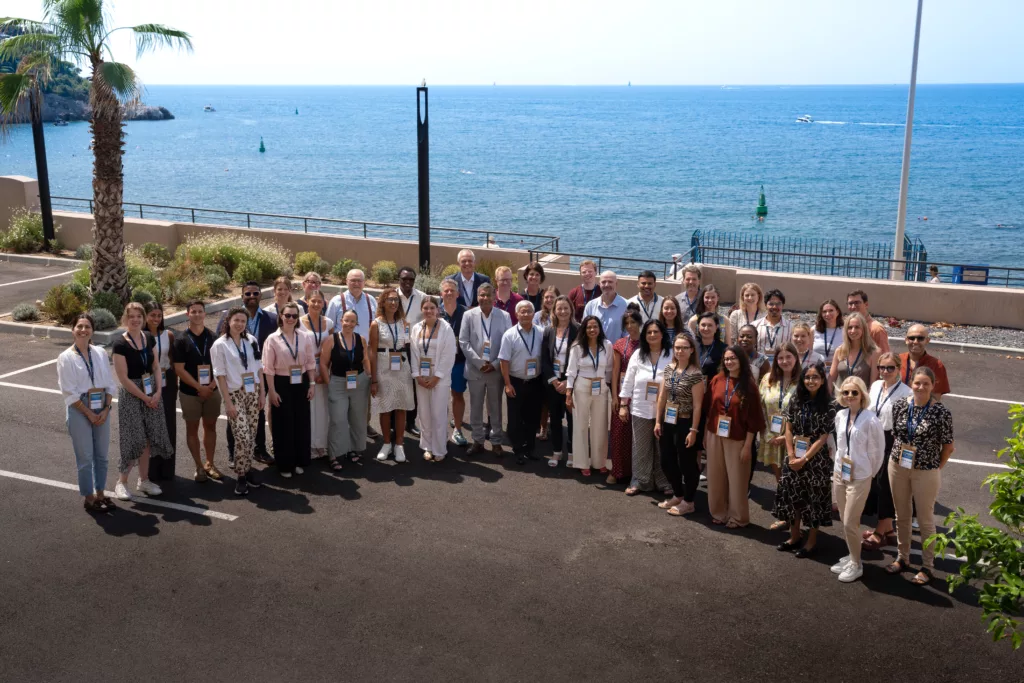
Over four days, 30 participants from numerous countries—including researchers, public health professionals, and decision-makers—share their experiences and developed their skills in systems thinking, innovation, behavioural sciences, healthy ageing, and noncommunicable disease prevention.
Through lectures, collaborative workshops, and interdisciplinary discussions, the Summer School foster the development of new approaches to address major public health challenges. It fully reflects the mission of the Collaborating Centre: strengthening capacities, supporting research, and encouraging international cooperation to advance noncommunicable disease prevention and healthy ageing.
These two events confirm the role of the Ulysseus Innovation Hub on Ageing and Well-being as a leading partner of WHO in developing innovative solutions to major public health challenges, while further strengthening its international visibility in research, education, and innovation.
About Ulysseus
Ulysseus is one of the 73 European Universities alliances selected by the European Commission under its flagship initiative of the European strategy for universities. These alliances, co-funded by the European Commission, bring together almost 650 higher education institutions of all types from across Europe.
Led by the University of Seville, the Ulysseus European University Alliance encompasses seven other partner universities: the Université Côte d’Azur (France), University of Genoa (Italy), the Technical University of Košice (Slovakia), MCI | The Entrepreneurial School® (Austria), Haaga-Helia University of Applied Sciences (Finland), the University of Münster (Germany), and the University of Montenegro (Montenegro).