




Webinar: All that glitters is not real – AI and disinformation
In an era where artificial intelligence is reshaping how information is created and consumed, it’s becoming clear that all that glitters is not real. The ability to distinguish between authentic content and AI-generated disinformation has become a critical skill for navigating today’s digital landscape. This webinar brings together experts from the METACOG project to explore how AI is both a source of disinformation and a powerful tool for detecting and combating it. Join us to understand the disinformation landscape in European higher education and discover practical approaches to building AI literacy in academic communities.
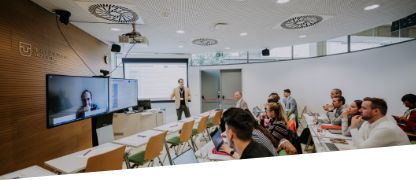
The one-hour webinar offered a dynamic and comprehensive introduction to the Ulysseus satellite project METACOG and its mission to combat AI-driven disinformation in higher education. Designed as an engaging and practical session, the event brought together educators, students, administrators, and policy makers who shared a common concern about the growing influence of artificial intelligence on information integrity. Through three focused presentations followed by an interactive Q&A session, participants explored both the challenges and the emerging solutions shaping the current digital landscape.
The session began by examining the scope and impact of AI-generated disinformation across European universities. Speakers highlighted how rapidly evolving AI technologies had begun reshaping the production and spread of misleading content, raising urgent questions about trust, credibility, and academic integrity. Attendees gained a clearer understanding of how AI tools were being used to create deepfakes, synthetic media, and automated disinformation campaigns that could convincingly mimic legitimate sources.
A key highlight of the webinar was the live demonstration of AI-powered information assessment tools. Participants observed practical examples of how such technologies could detect manipulated content, assess authenticity, and support critical evaluation processes. These demonstrations not only illustrated the risks but also emphasized the empowering potential of AI when used responsibly and strategically.
The event concluded by outlining concrete pathways toward strengthening AI literacy within higher education. Presenters introduced upcoming MOOCs, toolkits, and pilot programs that would be developed under the METACOG initiative, encouraging attendees to actively engage with these resources. By the end of the session, participants had not only gained valuable knowledge but also left with a renewed sense of responsibility and practical direction for safeguarding information integrity in the age of AI.
About METACOG
METACOG is an EU-funded AI literacy programme designed to combat disinformation and fake news by promoting civic engagement and shared European values.
The initiative aims to strengthen citizens’ ability—particularly among higher education students and teachers—to recognize and respond to disinformation through an innovative curriculum, AI-based tools, and best practices.
By acknowledging the dual role of artificial intelligence in both generating and countering disinformation, METACOG seeks to empower individuals with the critical thinking and digital literacy skills essential for navigating today’s information landscape.
Targeting higher education institutions, government and non-governmental organizations, media professionals, and the general public, METACOG is led by Haaga-Helia University of Applied Sciences (Finland) in collaboration with the Technical University of Košice (Slovakia), the University of Montenegro (Montenegro), and The Hague University of Applied Sciences (The Netherlands). The project is funded under the Erasmus+ Programme (KA220-HED) and will run from 1 September 2024 to 31 August 2027.