BIP: Accessible Tourisme in Historical Cities

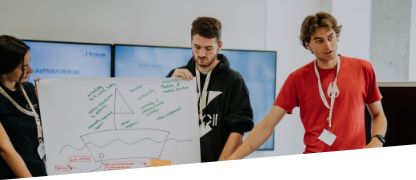
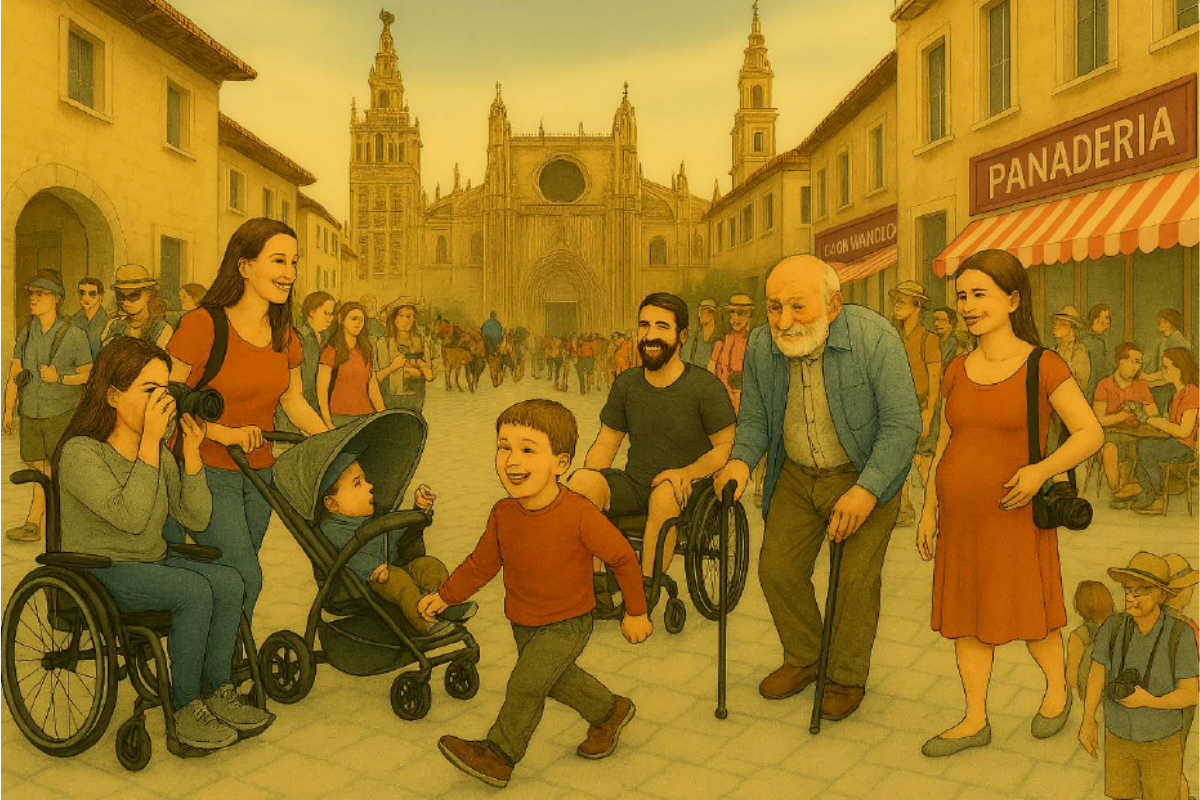
This course is designed for anyone interested in learning about accessibility within the context of tourism in historical cities and in developing inclusive solutions for industry stakeholders. This course aims to equip participants with comprehensive knowledge and practical skills to address accessibility challenges in tourism, with a specific focus on historical city destinations in the EU. Through a blend of virtual seminars and a hands-on Hackathon, participants will explore the medical, social, legislative, and economic dimensions of accessible tourism, developing inclusive solutions to improve travel experiences for all.


Please be aware that your home university may set a different application deadline depending on their internal selection process.

Registration dates 01 November 2025 31 January 2026
Course dates 15 June 2026 19 June 2026
Registration is open
BIP: Accessible Tourisme in Historical Cities

Course Outline

This course aims to equip participants with comprehensive knowledge and practical skills to address accessibility challenges in tourism, with a specific focus on historical city destinations in the EU. Through a blend of virtual seminars and a hands-on Hackathon, participants will explore the medical, social, legislative, and economic dimensions of accessible tourism, developing inclusive solutions to improve travel experiences for all.

The course will feature lectures by academic staff covering topics such as tourism, urban planning, technology, accessibility, and business development. These lectures will be enhanced by company visits and guest presentations from industry professionals and NGOs. Students will also participate in teamwork sessions and peer feedback activities.

Assessment will include:
– A group written report, to be submitted before the start of the on-site component.
– A group case study/presentation, to be developed during the on-site week and presented at the end of the program.

Planned Activities:
The program includes a wide range of academic and experiential learning activities, both during the virtual and on-site phases:

  • Lectures and Workshops: Interactive sessions on accessibility and inclusive practices, including contributions from accessibility experts, technology professionals and involving both the beneficiary population and key stakeholders from the sector, including public and private actors.
  • Visits to historical sites in Seville: such as the Cathedral, the Alcázar, the Santa Cruz, the Museum of Bellas Artes, and other highly visited locations in the city, accompanied by key public managers, will be carried out to assess real accessibility conditions, take measurements, and propose improvements in physical, technological, and digital aspects. The itinerary will also include visits to complementary service areas in the city (such as accommodation and restaurants) to provide a comprehensive view of accessibility across the entire tourism ecosystem.
  • Visit to Carmona (or another nearby historical site): to assess accessibility in spaces shaped by historical evolution and geographical features, which present particularly complex challenges to accessibility.
  • Group Project: Students will work on a real or simulated case related to accessibility in historical cities and develop strategies for its development, with a focus on accessibility

Course Content

  • Understanding Special Assistance Needs in Tourism: Types of disabilities and other conditions that require assistance (physical, sensory, cognitive) and their implications for tourism accessibility; medical needs in travel, including accommodations for physical disabilities, chronic illnesses, and other health conditions; social perspectives on inclusive tourism: combating stigma and promoting equity in tourism.
  • Accessible Tourism in the European Union: Overview of key EU policies, directives, and standards related to tourism accessibility, understanding the European Accessibility Act and its impact on the tourism sector; barriers faced
    by travellers with special assistance needs, such as limited access to facilities, transportation, and digital resources.
  • Urban Planning and Development for Accessible Tourism: Designing historical areas with accessibility in mind; integrating accessible pathways, ramps, signage, and other elements into urban planning; the role of local governments and policymakers in promoting accessible tourism; economic benefits of accessible tourism, including expanded markets and social returns.
  • Technology and Innovation in Accessible Tourism: Overview of assistive devices and digital tools that improve travel experiences for people with disabilities; identifying best practices in accessible web design, mobile applications, and booking platforms; virtual and augmented reality (VR/AR) applications for accessible travel planning and remote experiences.
  • Hackathon Preparation and Project Development: Introduction to design thinking methods for tackling accessibility challenges in tourism; skills in teamwork, project management, and pitching solutions in a Hackathon setting; themes centered on real-world accessibility issues in historical cities tourism, with projects focused on developing actionable solutions.


Learning Outcomes

  • Key Concepts of Accessibility in Tourism: Demonstrate a comprehensive understanding of accessibility principles and inclusive design in the context of tourism, with a focus on historical cities.
  • Analyze Accessibility Challenges: Identify and analyze specific barriers and challenges faced by diverse travelers in historical tourism environments, considering cultural, physical, and social dimensions.
  • Apply Inclusive Design Strategies: Utilize inclusive design and universal access strategies to propose improvements for tourist sites and services, ensuring they cater to a wide range of needs.
  • Collaborate in Multicultural and Interdisciplinary Teams: Work effectively within diverse, interdisciplinary teams to develop and pitch innovative solutions during the Hackathon, gaining skills in teamwork, communication, and problemsolving.
  • Develop Practical, Accessible Tourism Solutions: Formulate actionable and sustainable solutions that can be applied by tourism stakeholders to improve accessibility in historical destinations
  • Evaluate Impact of Accessible Solutions on Tourism Experiences: Assess how implementing accessible solutions can enhance the experience for all visitors, promoting inclusivity, social equity, and economic benefits within the tourism sector.

Agenda

Day 1 (15/06/2026)

Morning

  • Arrival and Welcome Coffee
  • Opening Session
  • Frontal lecture: “Assessment of the main barriers in historical cities by real experiences”

Afternoon

  • Field Trips and Cultural Visit

Day 2 (16/06/2026)

Morning

  • Workshop 1: “Introduction to Digital Tools”
  • Workshop 2: When historical heritage cannot be altered or adapted — myth or reality?”

Afternoon

  • Teamwork – developing the projects.
  • Flamenco Show in search of total accessibility.

Day 3 (17/06/2026)

Full-Day Field Trip

Day 4 (18/06/2026)

Morning
Workshop 3: “The role of public actors in historic cities: when accessibility is more than just a right”.

Afternoon

  • Project Development
  • Farewell dinner

Day 5 (19/06/2026)

Morning:

  • Final Presentations
  • Closing Session
  • End of on-site activities


Virtual Component

25/05/2026 (e-presentation & e-learning):

  • Welcome, introduction of the academic staff,
    and formation of student groups
  • Accessible tourism: some basic information
  • Disability types and assistance requirements

26/05/2026 (e-learning):

  • Accessibility in travel itineraries: pain points and best practice
  • The role of Public Administration in Inclusive Tourism

27/05/2026 (e-learning):

  • Accessibility Computation in Historical Areas
  • Accessible Tourism: Angel & Devil activity

28/05/2026 (Tutorial e-session):

  • Discussion-Group Project Activity-Task

Professors

More information