



From Ideas to Immersion: Turning International Insights into Local VR Scenarios
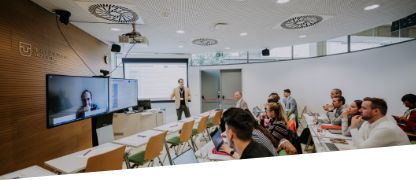
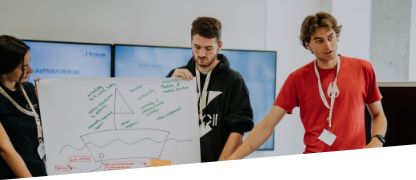
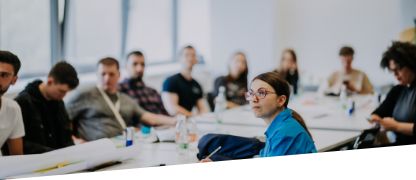
Following the successful co-creation workshops earlier, the RIGO project has entered its third phase in 2025: the development of local VR scenarios. The insights gathered from Design Thinking workshops have been transformed into interactive simulations using a no-code VR software tool. The prototype scenarios now bring to life the challenges and opportunities of international mobility, offering a safe, playful, and immersive way to prepare before international mobility.
Four Partners, Four Approaches, One Vision
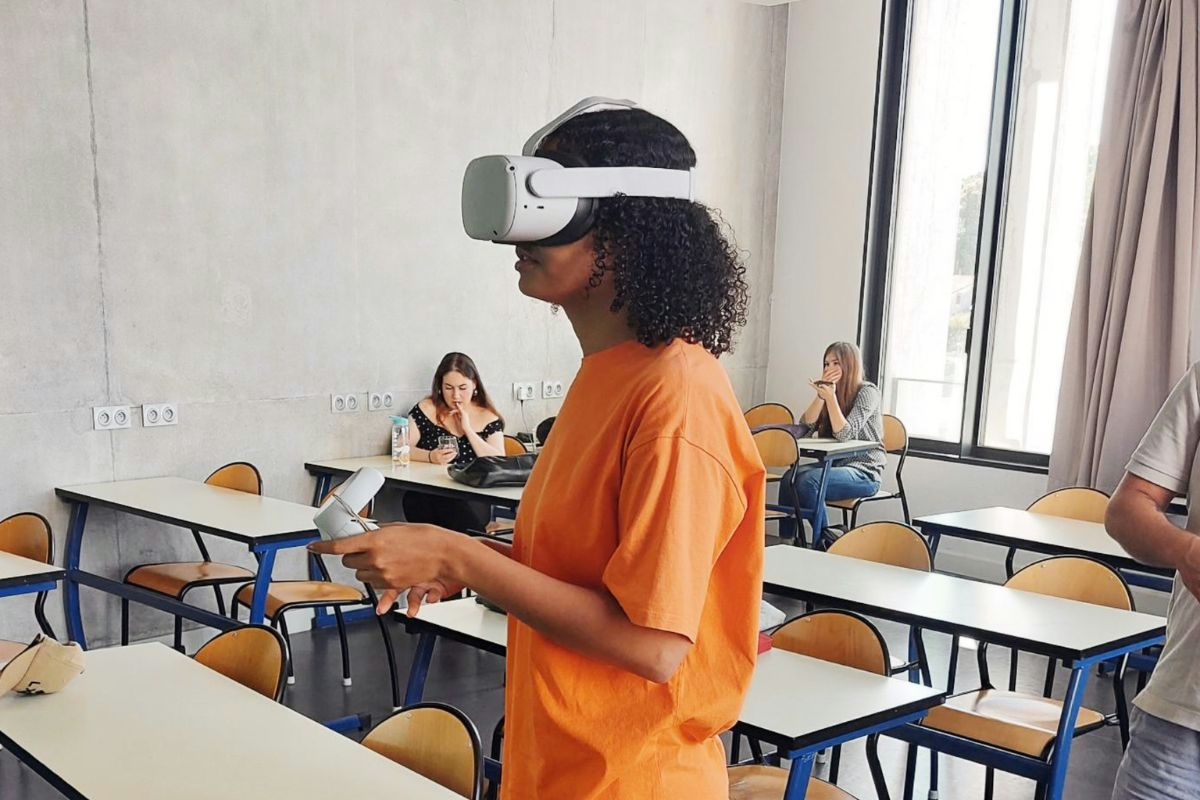
Each partner university—Haaga-Helia (FI), MCI Innsbruck (AT), Université Côte d’Azur (FR), and TU Košice (SK)—has designed its own local scenarios. Together, they form the foundation of the upcoming RIGO VR platform, where they will serve as a digital preparation tool, allowing students to practice mobility before they go abroad.
Some team members had a pedagogy and communication background, others came from technical development or design. This diversity of skills shaped very different approaches. For example, some teams scripted scenarios in detail before starting, while others relied more on trial-and-error and creative improvisation. Some prioritized close collaboration with their international offices to align with student services, while others experimented more with storytelling or game mechanics.
This freedom encouraged creativity, but it also required coordination. To ensure a coherent user experience, the partners agreed to standardize certain features, such as buttons and menu structures, while leaving room for flexibility in content and storytelling.
The result was not only a set of VR scenarios but also a shared learning process: seeing how colleagues approached the same challenge differently broadened everyone’s understanding of what VR can offer education.
Behind the Scenes: Partner Perspectives
Haaga-Helia (Finland): The Value of Testing
For Antti Jylhä, local project manager at Haaga-Helia, the greatest lesson was the importance of involving students early and often: “The most useful advice can give is: test often with students. They spot issues you donʼt see. And donʼt underestimate the value of collaboration across very skill sets within your team.
Antti also highlighted the need for flexibility: with lvarying experience in VR creation, the team had to learn quickly, adapt to the software, and divide tasks according to strengths. The process was demanding, but it gave the Finnish team confidence that immersive tools can play a meaningful role in mobility preparation.
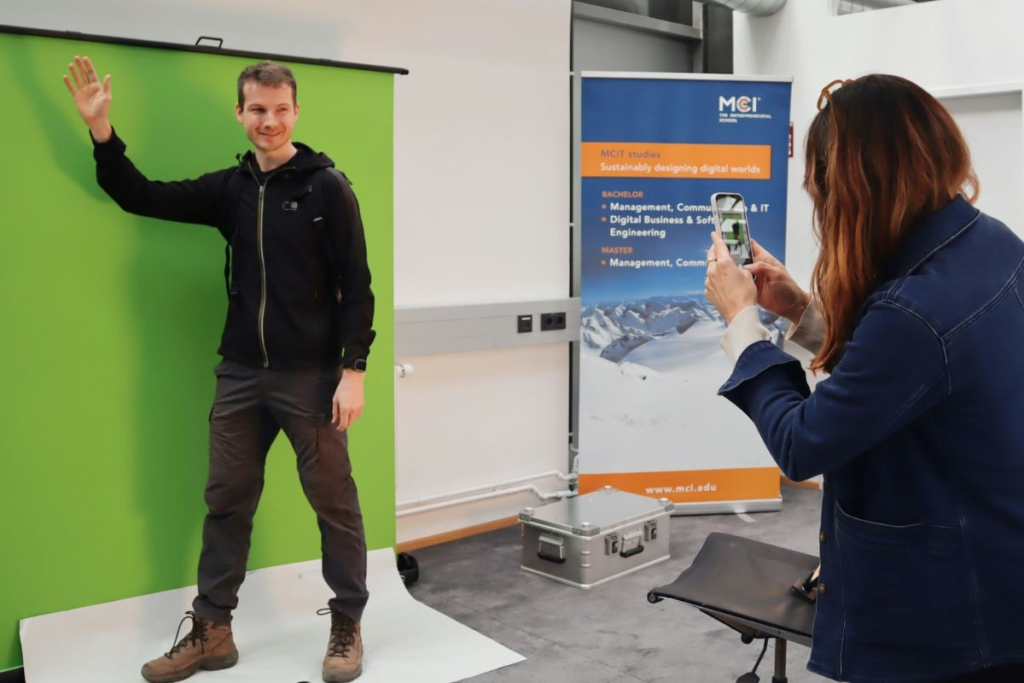
MCI Innsbruck (Austria): Process Over Perfection
In Innsbruck, Susanne Julinek and her colleague worked closely with their international office to ensure their scenario also addressed the questions they get asked by students. This included general topics such as safety, public transport, and orientation in a new city. “The VR software was intuitive and fun! What mattered most was not perfection, but the process and the learnings along the way,ˮ Susanne explained. Coming from a design background, she was initially concerned the technical side might be complicated, but instead discovered that imagination and visualization skills were just as important.
For Susanne, VR also offers a clear benefit in reducing anxiety: “The testing and positive feedback showed me, VR can reduce anxiousness and fear around mobility. Itʼs a way to make places and experiences accessible to all. Students can get a feeling of a place before they arrive, which is more powerful than simply reading information.ˮ
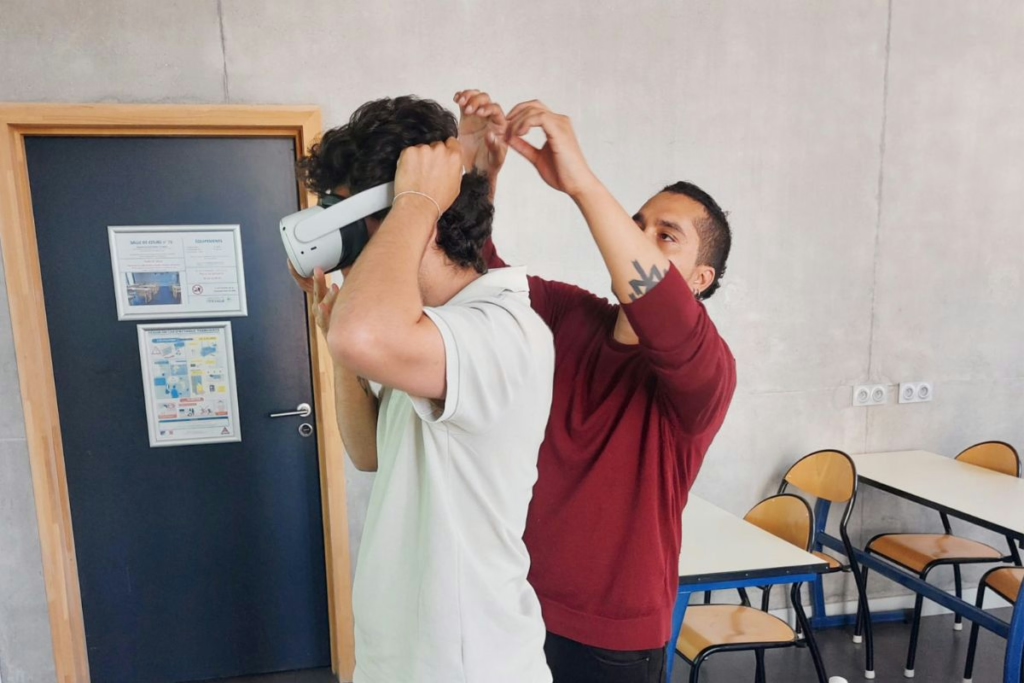
Université Côte dʼAzur (France): Balancing Play and Pedagogy
At UniCA, Jonathan Reyes brought prior experience using VR in teaching, but creating a “serious gameˮ was new territory. His team emphasized iterative design: brainstorming, prototyping, testing with students, and refining the content. “Balancing engaging gameplay with effective learning outcomes was the real challenge, but also the most rewarding part,ˮ Jonathan said. The French team worked not only on technical aspects but also on user experience, ensuring that the VR environment was intuitive and accessible.
Jonathan sees VR as a powerful addition to international mobility: “Students can virtually explore host cities, practice navigating new systems, or engage in cultural interactions before they even leave home. This significantly reduces anxiety and builds confidence.ˮ
TU Košice (Slovakia): Storytelling and Empathy
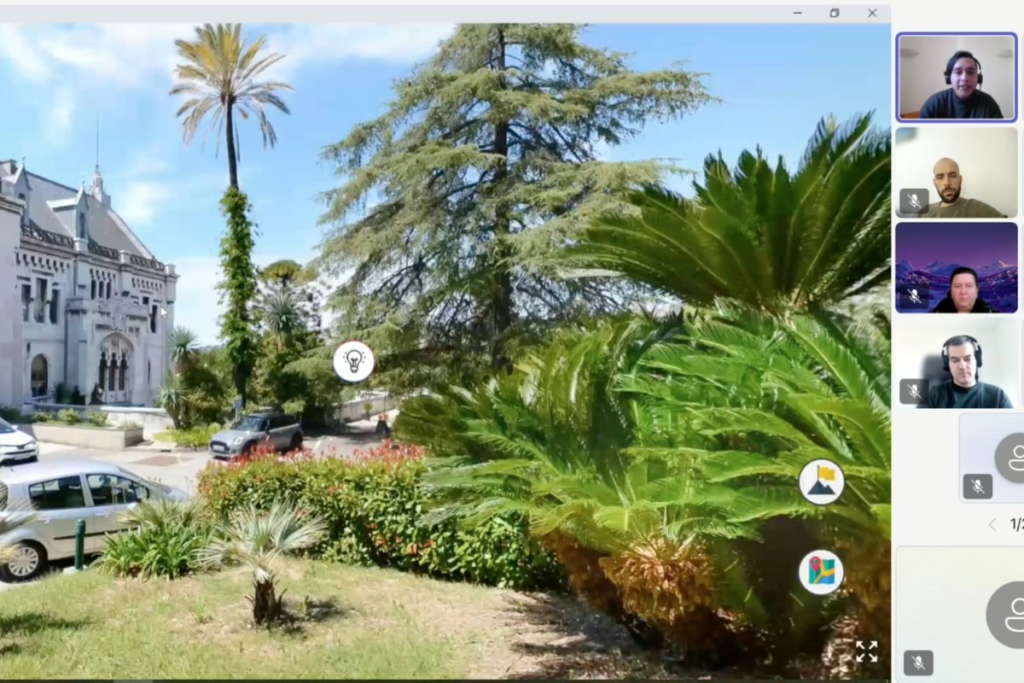
Also at the Technical University of Košice, two scenarios were built, each with a distinct focus. Manuela tackled cultural differences, creating a fictional guide character ‘Buddy the Parrotʼ to accompany students through different situations: “Buddy became a way to show students theyʼre not alone. The hardest part was balancing information with storytelling, but feedback from colleagues made the scenario much stronger.ˮ
Her colleague Ludmila focused on administrative hurdles, one of the most common frustrations identified by mobility students. For her, the lesson was clarity: “VR isnʼt a film. Scenarios work best when theyʼre simple, interactive, and clear. Iʼve learned a lot, and Iʼm grateful to have been part of something that can truly support students.ˮ
Both Slovak team members emphasized how the project encouraged them to step out of their comfort zones. Manuela reflected: “What started as a challenge became a journey of discovery. VR reminded me what itʼs like to be a learner again.ˮ
Lessons Learned
Despite different approaches, all four partners shared common conclusions:
- Empathy first: scenarios need to reflect real student challenges to feel authentic and be truly helpful.Collaboration counts: blending skills from design, pedagogy, and technology was crucial.
- Simplicity works: immersive learning is most effective when interactions are intuitive and on point. Less is more.
- Process matters: the project was as much about learning new methods as producing a functioning outcome.
- Innovation inspires: VR can lower barriers, reduce fears, and make international mobility more inclusive.
Looking Ahead
The locally created scenarios will now be integrated into the RIGO VR platform and piloted across the partner universities. Student feedback will guide the final refinements before the platform is launched until the end of the year.
For the project consortium, this phase has been a reminder that innovation in education is not just about technology but also about process, collaboration, and mindset. Allowing diverse teams to approach the challenge in their own way while finding common ground created not only immersive VR content but also a strong learning experience.
As one participant summed it up: “The scenarios we created arenʼt perfect, but they are a meaningful step forward for students and universities exploring new ways to connect, learn, and support each other.ˮ
About RIGO
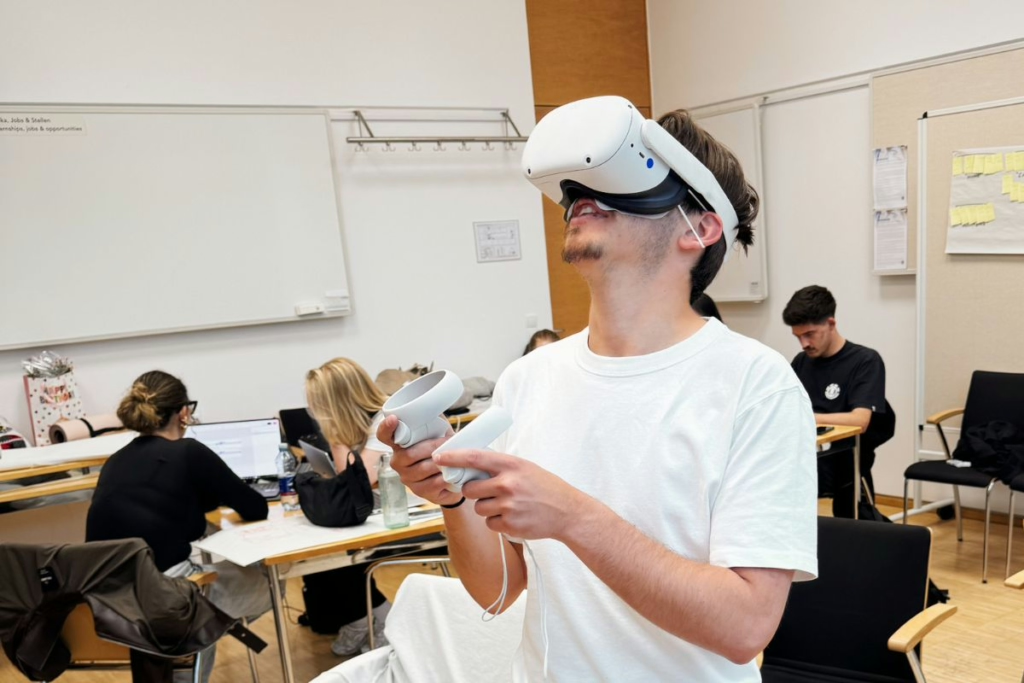
Launching in September 2023, the 36-month project promises an exciting digital transformation for partner universities, leveraging innovative learning practices with VR technology. Beyond enhancing digital skills, the project tackles inclusion and diversity in education, facilitating the preparation of students who, due to socio-economic or physical constraints, have been deprived of international experiences. The RIGO project welcomes a digital future of inclusive international mobility. Follow our transformative journey!
About Ulysseus
Ulysseus Alliance vision for 2030 is to develop an excellency-recognized and internationally attractive open to the world, people-centered and entrepreneurial European University for the citizens of the future. By doing so, our ambition is to contribute to shape the European Higher Education and Research Areas, and hence the future of Europe.
Ulysseus is one of the 41 European Universities selected by the European Commission to become the universities of the future. Led by the University of Seville together with seven other universities in Europe (the University of Genoa, Italy; Université Côte dʼAzur, France; the Technical University of Košice, Slovakia; MCI | The Entrepreneurial School®, Austria; Haaga-HeliaUniversity of Applied Sciences, Finland; the University of Münster, Germany; and the University of Montenegro, Montenegro), the project will allow students, researchers and graduates to move freely between universities, carry out internships in companies and start high-impact research projects.