This BIP is part of the content, initiatives, and academic activities that the Master’s Degree in European Studies at the University of Seville has been developing since its establishment in the 2009-2010 academic year and is supported by the Seville European Documentation Center. Its main objective is to introduce undergraduate, master’s, and doctoral students to the knowledge and analysis of the main challenges facing the European Union in the 21st century. This takes into account the trajectory since 2004, following the incorporation of 10 Eastern European countries and the failure of the European Constitution, and including successive crises (economic, migration, Brexit, COVID-19, Russian invasion of Ukraine, and tariff policies in the US) and their sociopolitical effects. The Strategic Agenda for the period 2024-2029, presented by the Granada European Council in October 2023, and the Von der Leyen Commission’s priorities for the same period, try to tackle structural challenges such as prosperity and competitiveness of the EU, democracy, security, and the EU role into a globalised world.
To these guidelines, we add a more introspective and forceful one, in which we ask ourselves to what extent there is an awareness of “European identity” among citizens and to what extent we risk losing the narrative to national populisms. The program, necessarily selective to adapt to the constraints of the calendar, adopts a transnational and interdisciplinary approach, integrating historical-political, legal, and economic aspects. Through a combination of innovative learning methods (online and interactive in-person sessions with transnational and multidisciplinary teams) and adding value to the courses already offered at participating universities, students will develop a solid understanding of the democratic foundations of the EU, its current national-populist threats and identity challenges.
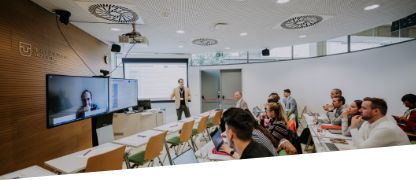
The course is designed as an intensive program combining a virtual and physical phase. The virtual phase consists of 2 online sessions (2 hours in total). The physical phase includes various activities: welcome and information on group work dynamics, lectures and roundtables on the challenges facing the EU in the 21st century, teamwork to prepare summaries and reasoned critiques, visits to EU work and research centers (Joint Research Centre, European Documentation Centre, European Research Centre, General Secretariat for External Action of the Andalusian Regional Government) and to some emblematic Expo 1992 pavilions related to the course theme (Three Cultures Foundation, Moroccan Pavilion), as well as a cultural visit to Seville.
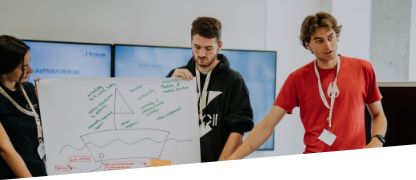
At the end of each lecture or roundtable, students, under the supervision of the faculty, will meet and work in groups to address the discussions presented in each presentation and prepare a summary of each lecture or roundtable. The closing session of the course will include the presentation of the summaries prepared by each student group (who will appoint a representative for this purpose), and a plenary debate (faculty and students) will be held around a central theme: European identity(ies). Finally, the final conclusions will be presented and approved by the plenary for the preparation of a final document.